Impact
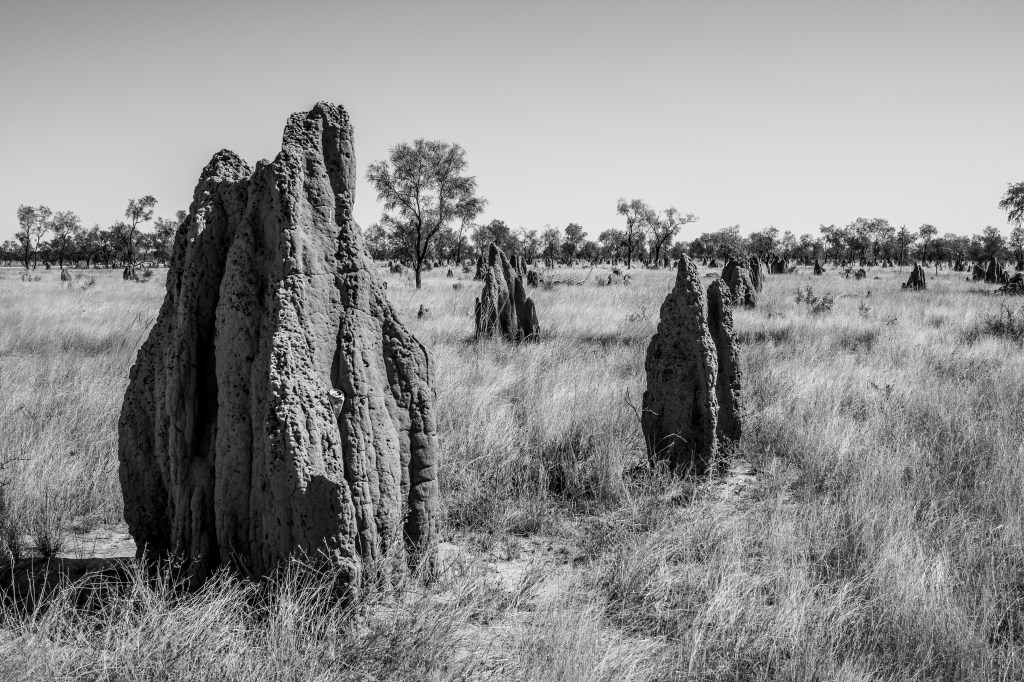
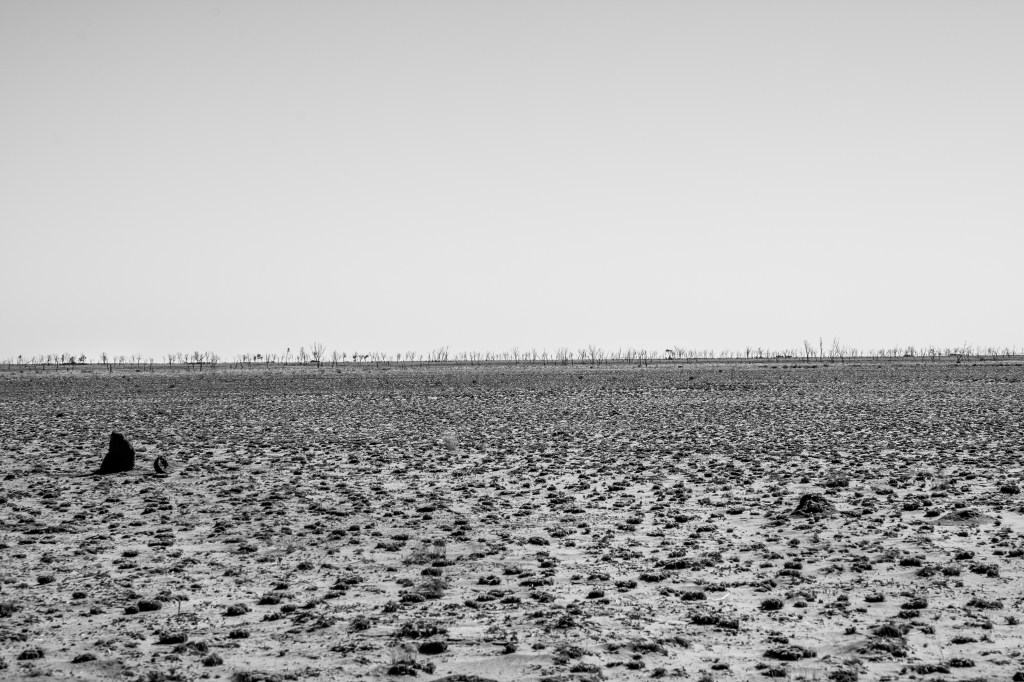
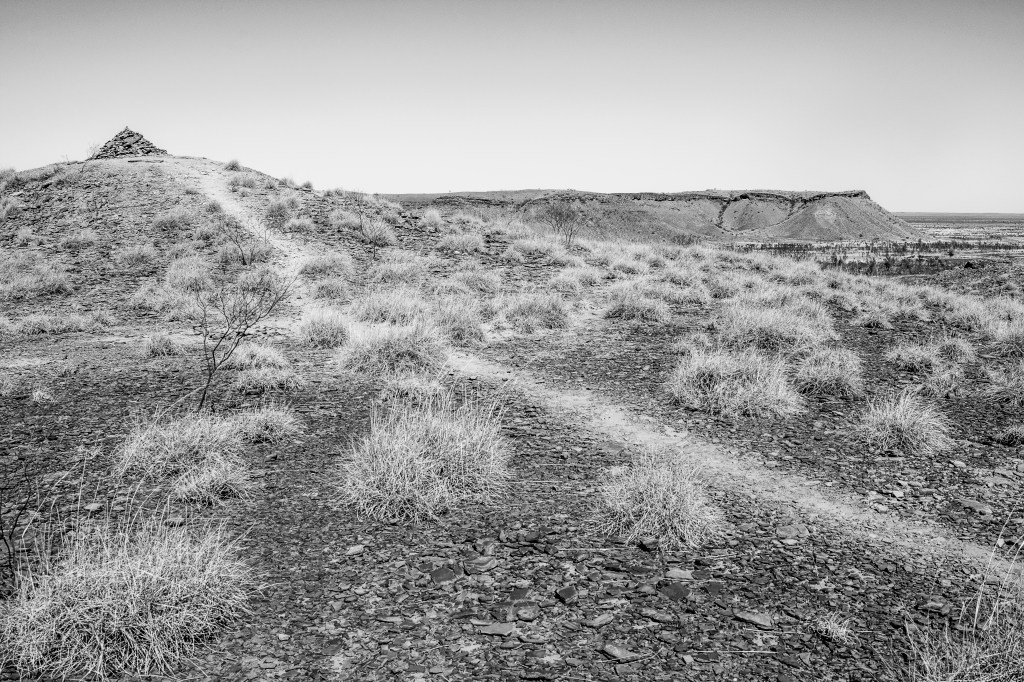
The Western Deserts of Western Australia are unique in that they are considered largely pristine and amongst the purest deserts in the world.
Despite their arid status there exists a large biodiversity of flora and fauna, with many species of the region existing nowhere else on earth. For some endangered species, these deserts are their last stronghold against extinction.
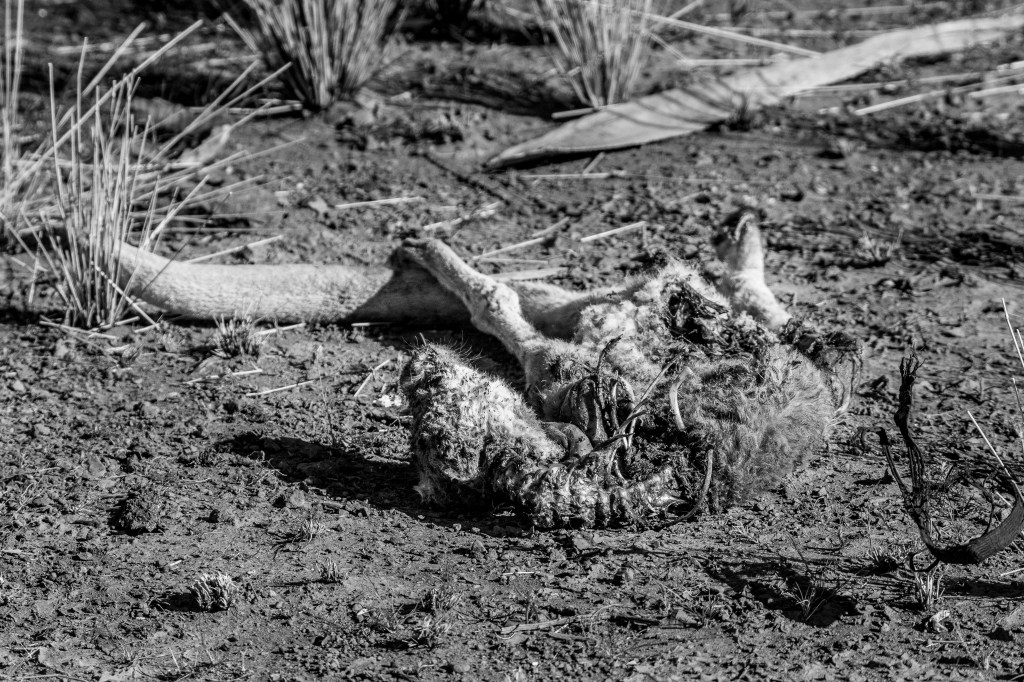
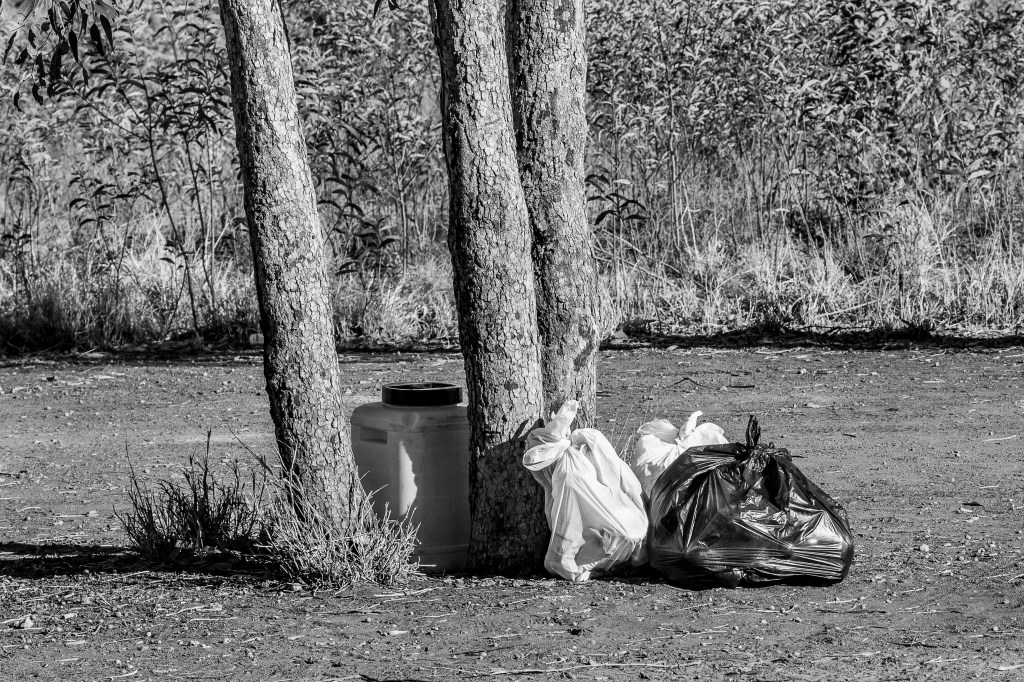
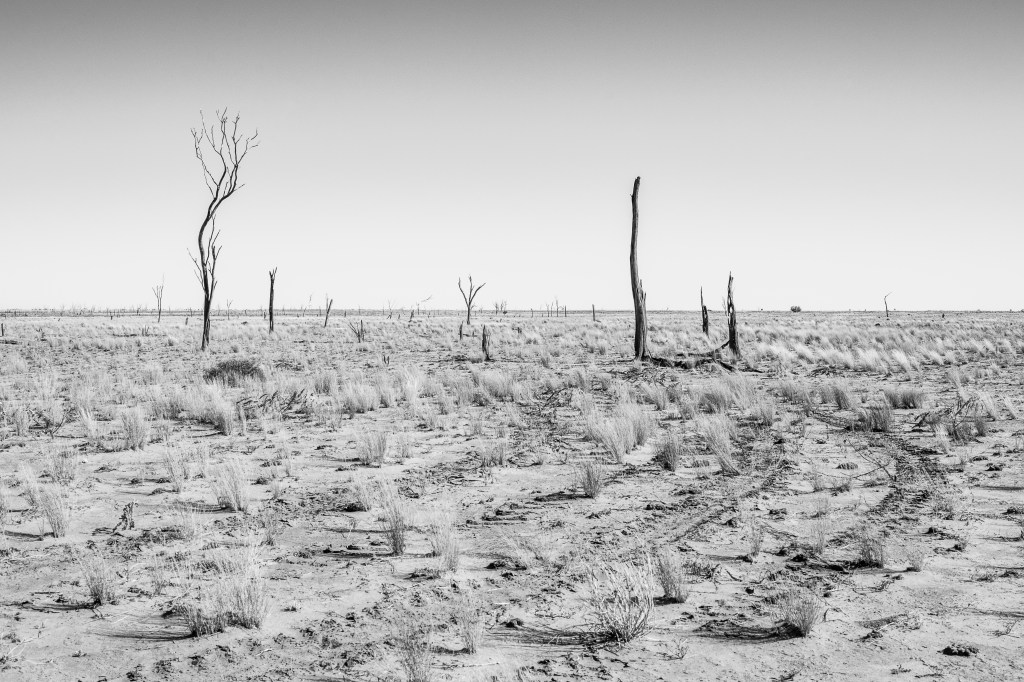
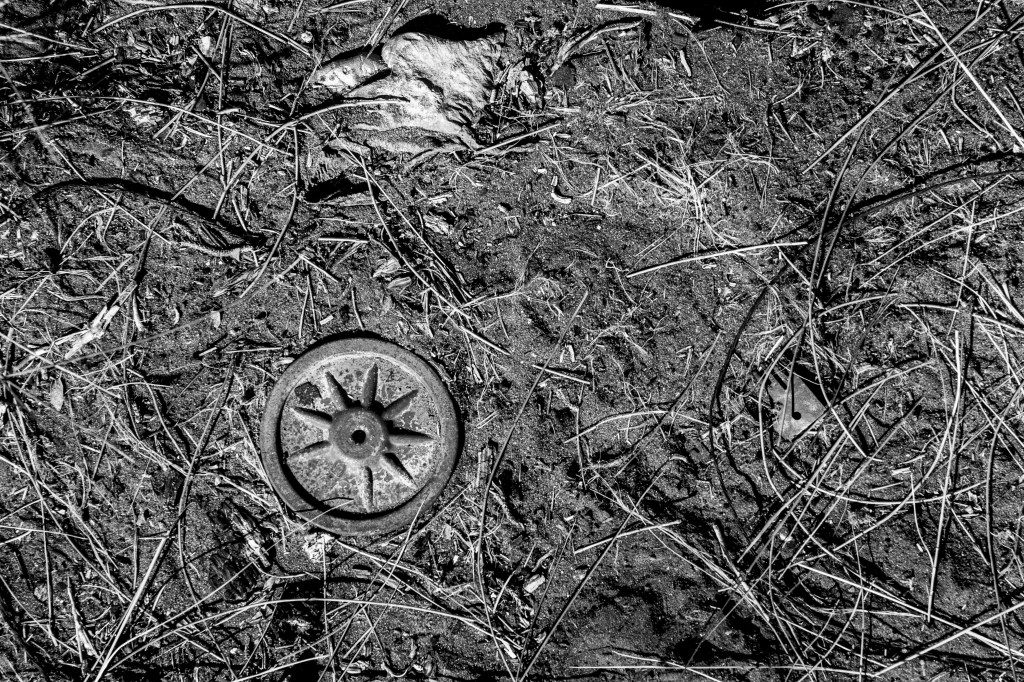
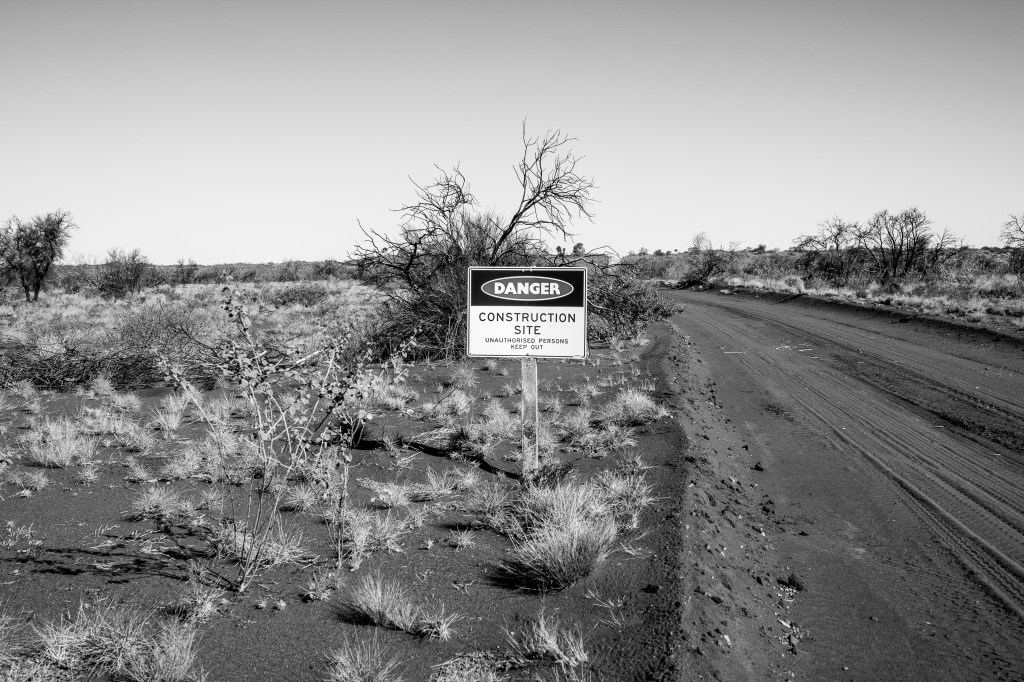
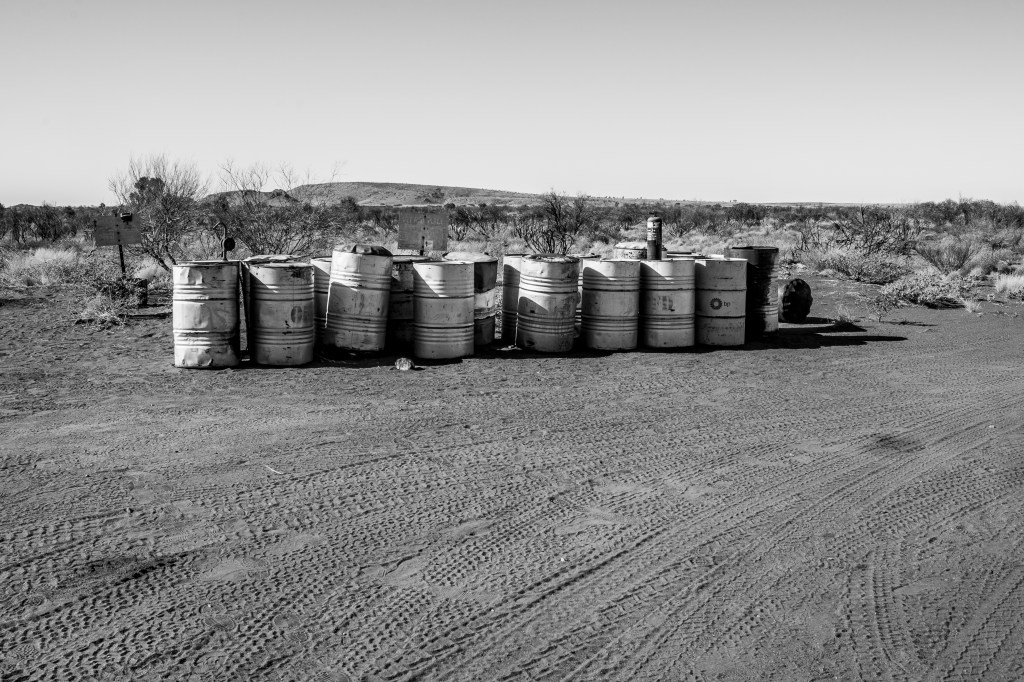
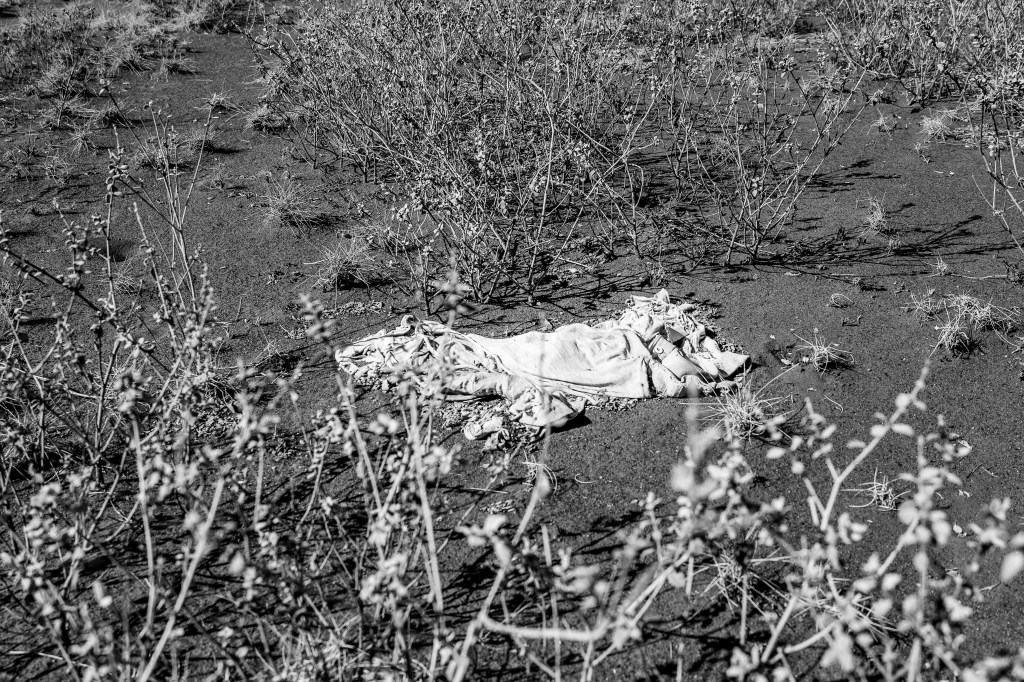
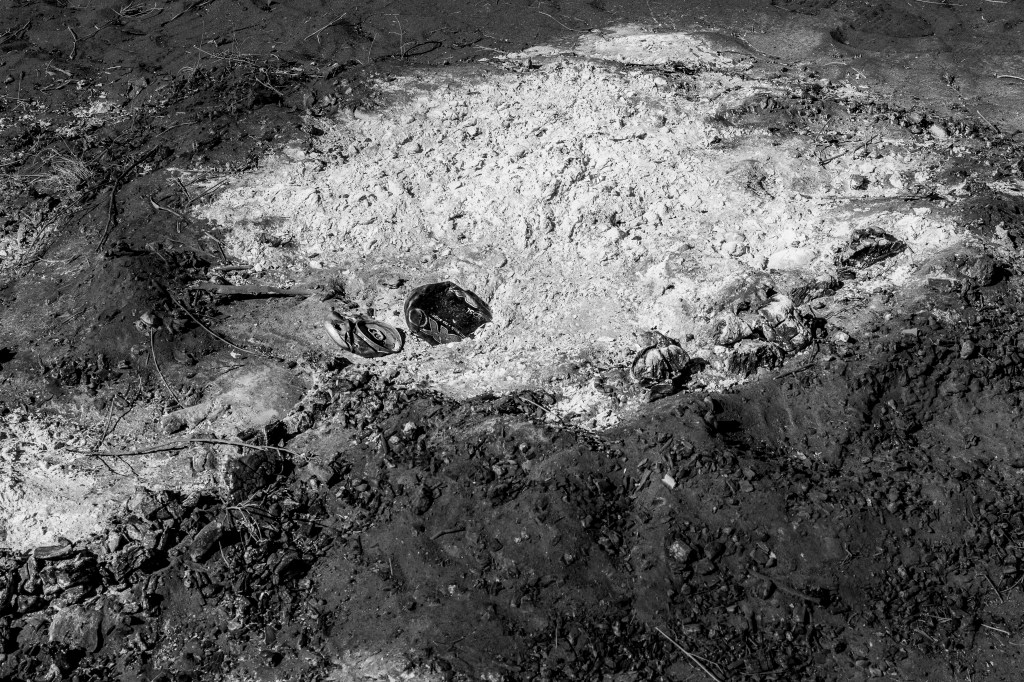
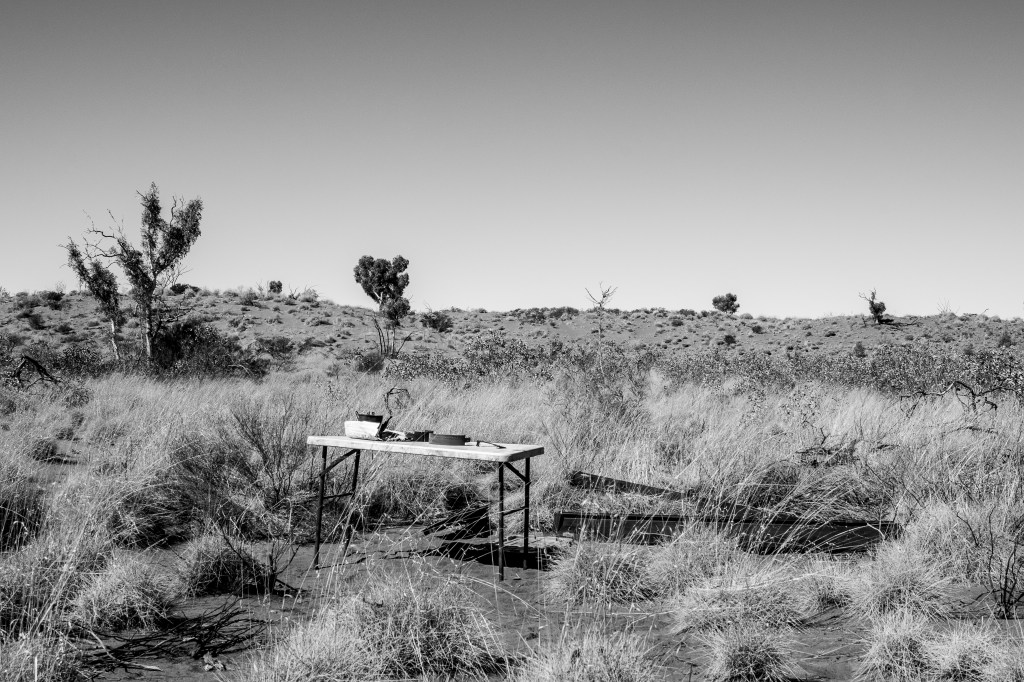
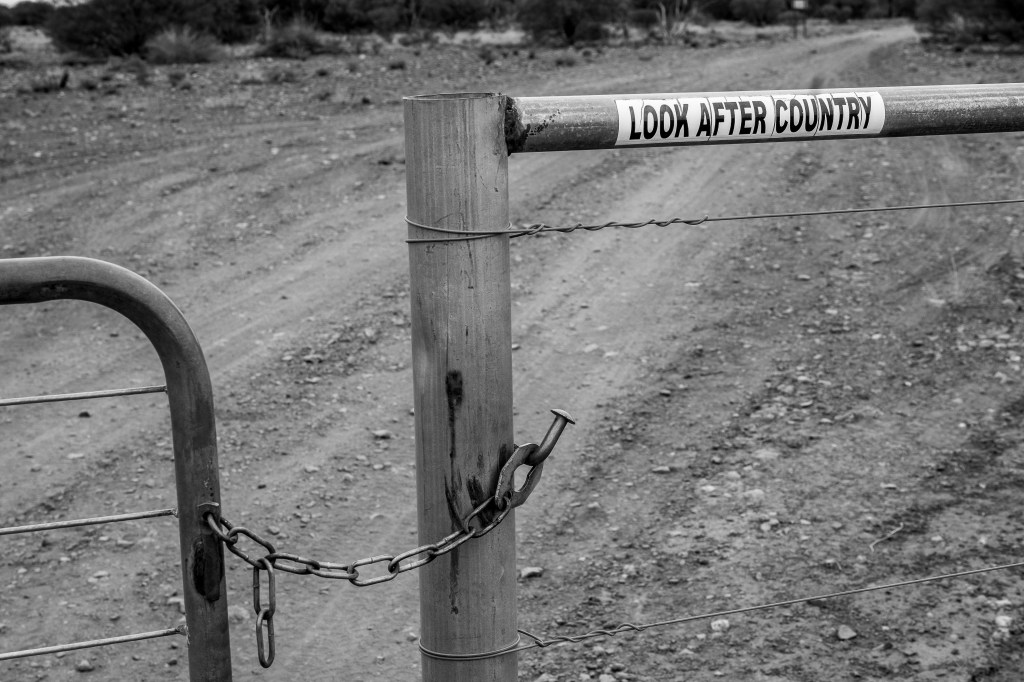
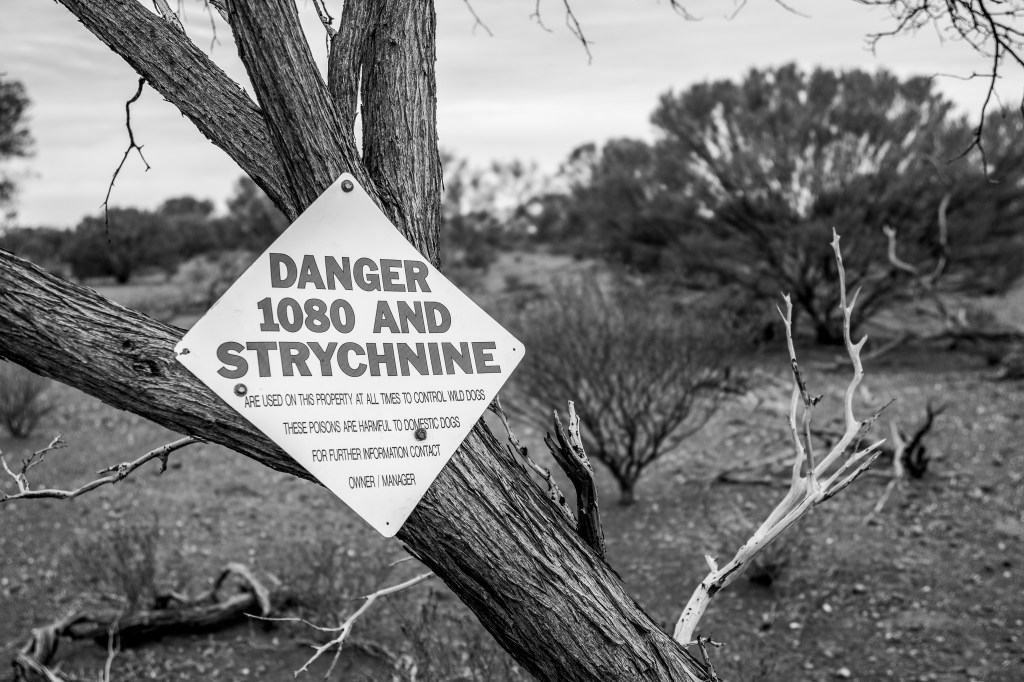
The utilisation of the region as a resource for mining, pastoralism and tourism has altered and impacted the landscape. Grazing from farming has degraded the flora and soil, impacted water sources, the spread of weeds and introduction of feral pests such as camels, rabbits, foxes and cats has decimated local native flora and fauna. An ongoing and emerging threat is the increasing popularity of tourism and travel.
The absence of local indigenous people living on country and altered fire regimes negatively impacted the landscape, however their return and stewardship of the land has resulted in many improvements to the ecosystem of the Western Deserts.
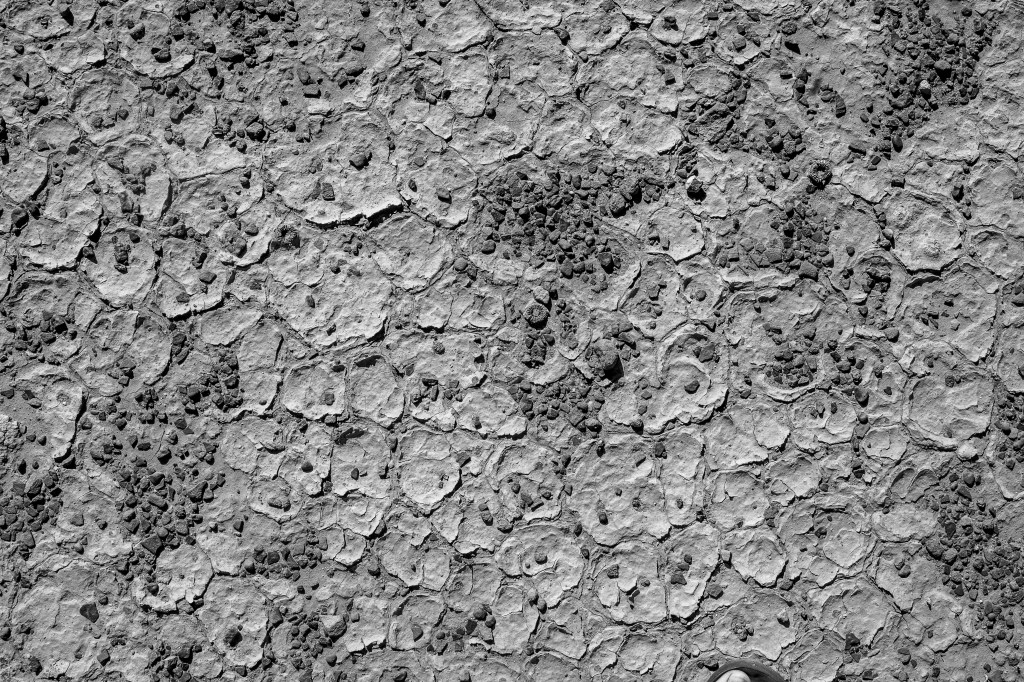
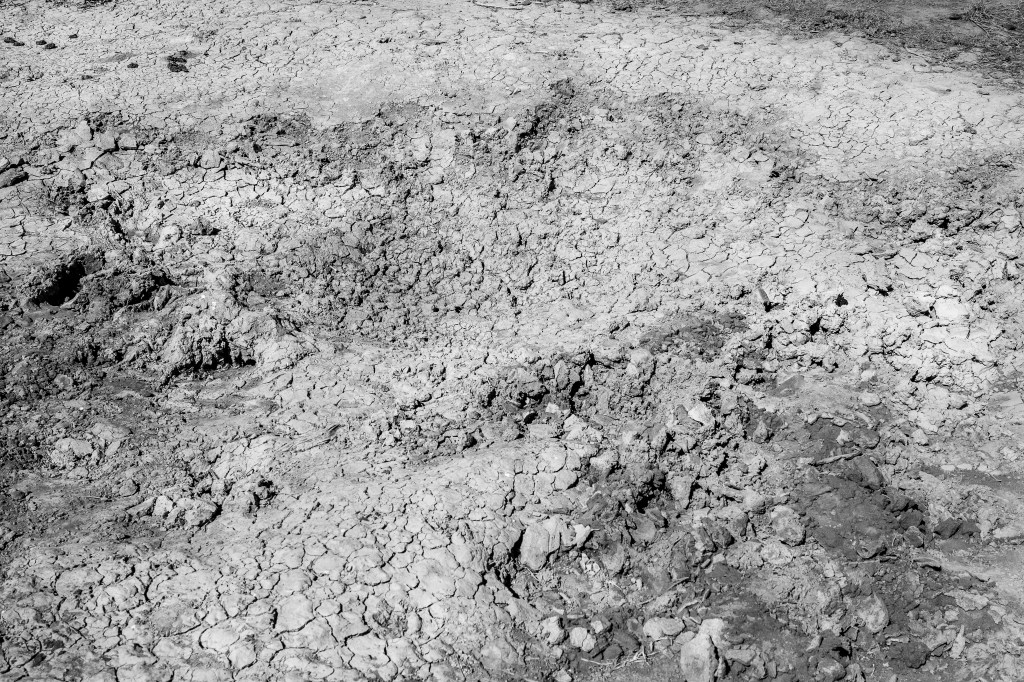
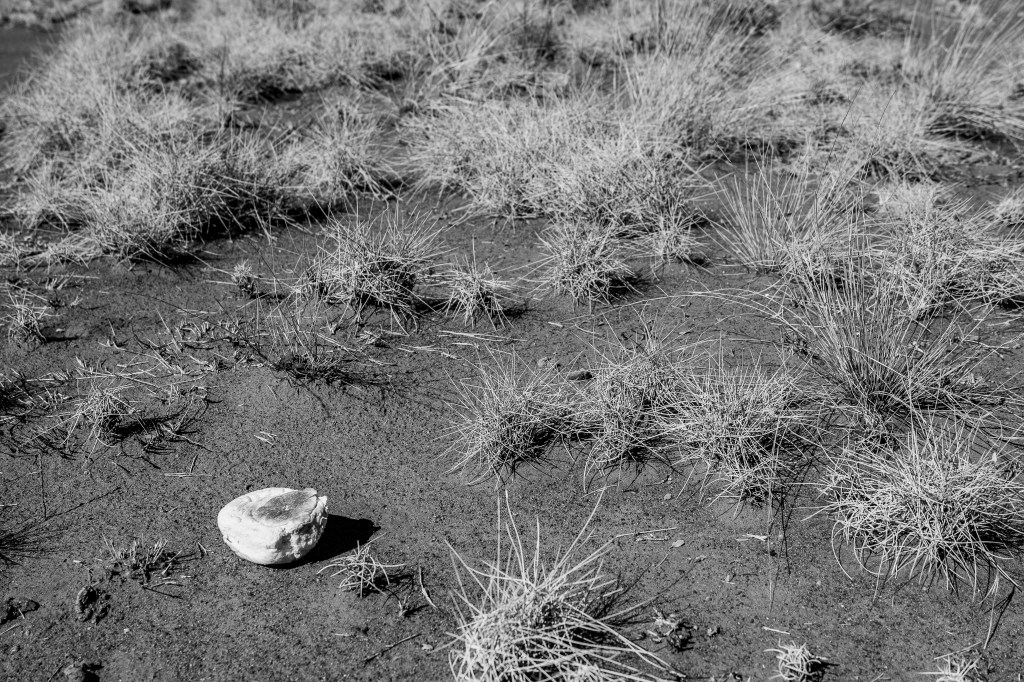
Despite their seeming harsh and inhospitable landscape, these deserts are also one of the most fragile and endangered biomes.
“We have forgotten how to be good guests, how to walk lightly on the earth as its other creatures do.”
Barbara Ward












 Lily Martin